Does Laser Hair Removal Work for Men?
Laser hair removal is no longer a treatment associated only with women. Increasingly, men in Manchester are choosing laser hair removal as a long-term solution for unwanted hair on areas such as the back, chest, shoulders, neck, and beard line. Whether driven by comfort, convenience, sport, or skin health, the motivation is practical rather than cosmetic.
Still, many men hesitate before booking their first session. A common question remains: does laser hair removal actually work for men, especially on thick, coarse hair? This guide explores the reality of male laser hair removal, how it performs on male hair growth patterns, and what results men can realistically expect.
Why Men Are Often Unsure About Laser Hair Removal
Men’s hair growth differs significantly from women’s. Male hair tends to be thicker, denser, and more deeply rooted, particularly in areas influenced by testosterone such as the chest, back, and beard. Because of this, men often assume their hair may be “too strong” for laser treatment to work effectively.
This uncertainty is understandable, especially if previous grooming methods such as shaving or waxing have caused irritation, ingrown hairs, or rapid regrowth. Laser hair removal, however, is specifically designed to target pigment within the hair follicle, making thick, dark hair one of the most responsive hair types when treated correctly.
How Laser Hair Removal Works on Male Hair Follicles
Laser hair removal works by delivering controlled energy into the follicle via the pigment in the hair. This energy heats the follicle, disrupting its ability to produce new hair. Over repeated treatments, the follicle becomes weaker and less capable of regrowth.
Male hair follicles often absorb laser energy very effectively because they contain higher levels of melanin and produce coarser hair. While hormonal influence means male hair can be more persistent, it also means the laser has a strong target. With the correct treatment intervals and settings, male hair responds extremely well over time.
Does Laser Hair Removal Work on Thick and Coarse Male Hair?
Yes, and in many cases, thick hair responds better than fine hair. Coarse hair contains more pigment, which allows the laser to reach the follicle more efficiently. Areas such as the back, chest, shoulders, and stomach are often excellent candidates for laser hair removal in men.
Rather than hair disappearing overnight, men typically notice progressive changes. Hair becomes finer, grows back more slowly, and appears patchy rather than dense. With each session, regrowth becomes less noticeable and easier to manage.
Why Technology Matters for Men’s Laser Hair Removal
The effectiveness of laser hair removal for men depends heavily on the technology being used. Older laser systems could struggle with dense hair, larger treatment areas, or darker skin tones, sometimes leading to discomfort or inconsistent results.
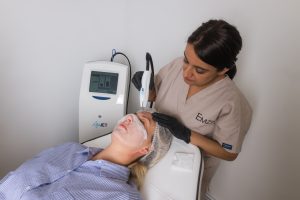
At Emzi Skin Clinic, treatments are carried out using the Soprano Titanium laser system. This advanced platform delivers energy gradually and evenly, allowing the follicle to be treated thoroughly while maintaining comfort. This approach is particularly beneficial for men, as it allows large areas such as the back or chest to be treated efficiently without unnecessary discomfort.
Which Areas Do Men Most Commonly Treat?
Men choose laser hair removal for both aesthetic and practical reasons, and the areas treated often reflect lifestyle needs rather than appearance alone.
Back and shoulder treatments are popular with men who want a cleaner look or struggle to manage regrowth themselves.
Chest and stomach treatments are often chosen to reduce density rather than remove all hair completely, creating a more even, natural appearance.
Beard line and neck treatments are increasingly requested by men who experience shaving irritation, razor bumps, or ingrown hairs.
Laser hair removal in these areas can significantly improve skin condition while preserving a masculine beard shape.
How Many Sessions Do Men Typically Need?
Laser hair removal works in alignment with the hair growth cycle. Hair grows in phases, and the laser is most effective during the active growth stage. Because not all hairs are in this stage at the same time, multiple sessions are required.
Men generally require a structured course of treatments spaced several weeks apart. Hormonally influenced areas may require additional sessions compared to less active areas, but most men begin to notice a visible reduction after the first few treatments. Maintenance sessions may be recommended long-term to keep results consistent.
Is Laser Hair Removal Worth It for Men?
For men who want to reduce grooming time, avoid skin irritation, and achieve long-term results, laser hair removal is often considered a worthwhile investment. Over time, it reduces reliance on razors, waxing, and grooming products while improving overall skin condition.
Many men also report increased confidence, particularly in professional, athletic, or social environments.
Final Answer: Does Laser Hair Removal Work for Men?
Yes, laser hair removal works extremely well for men. Thick, coarse male hair responds effectively when treated using advanced technology and a personalised treatment plan. While multiple sessions are required, the long-term reduction in hair growth, improved skin comfort, and reduced maintenance make laser hair removal treatment a highly practical solution for men in Manchester.
If you are considering laser hair removal and want clear, honest advice tailored to male hair growth, the best first step is a consultation. At Emzi Skin Clinic in Manchester, your treatment plan is designed around your skin, hair type, and goals.
Book your consultation to find out whether laser hair removal is right for you and start your journey towards smoother, low-maintenance skin.
More Articles & Guides

How Long Before Hair Begins to Grow Back After Laser Hair Removal?
Hair does not grow back immediately after laser hair removal. Instead, treated hairs shed over time and regrowth becomes slower and finer with each session. In this guide, we explain what to expect after your first treatment, how results progress over a full course, and how the Soprano Titanium delivers long-term hair reduction.

Does Laser Hair Removal Work for PCOS and Excess Hair Growth?
PCOS-related hair growth can feel overwhelming, especially when traditional methods offer little relief. At our clinic in Manchester, our experienced practitioners use the advanced Soprano Titanium to help people with PCOS achieve smoother, more manageable skin with safe, comfortable, and personalised treatment plans.

Can I Shave Between Laser Hair Removal Sessions?
Wondering whether you can shave between your laser hair removal sessions? In this blog, we break down exactly what you can and can’t do, why shaving is actually encouraged, and how it supports smoother, more effective results throughout your treatment course.

When Will I See Results from Laser Hair Removal? Results Timeline
When do laser hair removal results start to show? In this session guide, we break down the full results timeline, from your first session to lasting smoothness, including how often you’ll need treatments for the best outcome.

Pain-Free Laser Hair Removal: What Makes Soprano Titanium Different from Other Lasers
Laser hair removal doesn’t have to hurt. In this blog, we explain what makes the Soprano Titanium different from traditional lasers, how it works, and why it’s become the top choice for clients in Manchester who want smooth, confident skin without discomfort.

Preparing Your Skin for Laser Hair Removal: What You Need to Know
Preparing your skin for Laser Hair Removal is simple. Follow our complete pre-laser checklist: what to stop, what to continue, and when to do it, to your maximise results.